
How Fuel Pumps Changed Alongside the Automotive Industry
Every piece of automotive history has a story worth exploring, and vintage gas pumps represent one of the most interesting examples of how everyday equipment evolved over time. Long before modern service stations became common, fueling a vehicle required simple hand-operated devices designed with practicality in mind. As automobiles became more popular, manufacturers recognized the need for equipment that was not only reliable but also attractive enough to welcome motorists from the roadside. That combination of function and visual appeal laid the foundation for decades of innovation, turning ordinary fuel dispensers into recognizable symbols of an expanding automotive culture.
The earliest fuel pumps focused almost entirely on delivering gasoline efficiently, yet it did not take long for new ideas to reshape their appearance and performance. Glass cylinders allowed attendants and customers to see the fuel before it entered the vehicle, creating greater confidence in the transaction. As technology improved, enclosed pumps replaced exposed mechanisms, making equipment safer and easier to operate. Manufacturers also experimented with stronger materials, improved measuring systems, and more durable construction that could withstand years of daily use. Each advancement reflected the growing expectations of drivers while supporting the rapid development of the automobile industry.
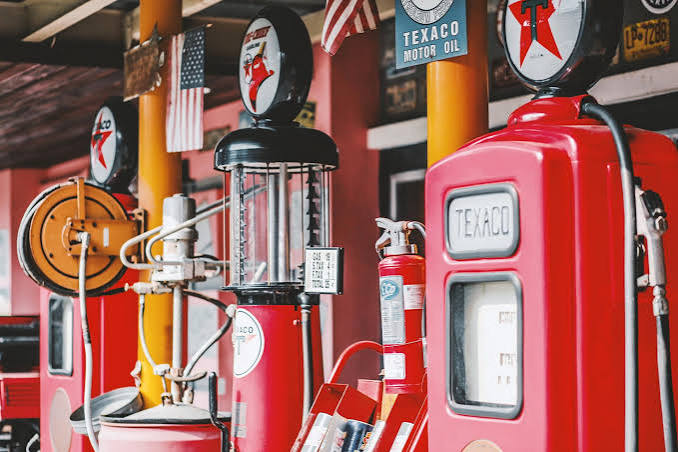
As the decades passed, gas stations became more than places to refuel. They evolved into welcoming stops where travelers could rest, receive friendly service, and continue their journey with confidence. Fuel pumps changed alongside this transformation by introducing brighter colors, illuminated globes, polished finishes, and distinctive brand identities that helped stations stand out. Advertising became an important part of the experience, with every design choice intended to capture attention and build customer loyalty. These creative touches turned practical equipment into memorable landmarks that still inspire admiration among collectors and automotive enthusiasts today.
Modern fuel dispensers now rely on advanced electronics, digital displays, and enhanced safety systems that deliver speed, accuracy, and convenience. While today’s equipment serves the same essential purpose, its appearance reflects a different era of engineering priorities. The decorative styling that once defined service stations has largely given way to streamlined functionality. Even so, understanding how fuel pumps progressed over the years offers valuable insight into changing technologies, consumer expectations, and the businesses that adapted to meet them. Every generation introduced meaningful improvements while preserving the central role these machines played in everyday travel.
Interest in vintage gas pumps continues growing because they beautifully illustrate how innovation and craftsmanship developed together through changing times. Whether displayed in museums, private collections, classic car garages, or themed businesses, these remarkable pieces remind visitors of an age when thoughtful design was part of every customer experience. Their evolution reflects far more than improvements in fueling technology. It tells the story of expanding highways, growing communities, creative branding, and the enduring relationship between automobiles and the people who rely on them. Looking back at that remarkable history reveals why these iconic machines remain admired decades after their original purpose began to change.