
How Modern Cloud Services Help Create Faster, Smarter Interactive Experiences
Memorable event experiences rarely happen by accident; they are the result of creative ideas supported by dependable technology that performs under pressure. Visitors expect interactive displays to respond instantly, digital content to load without delays, and immersive features to feel effortless from the first moment to the last. That expectation has encouraged many organizations to work with a Texas augmented reality design agency for live events and trade shows, where innovative concepts are paired with modern cloud infrastructure capable of supporting demanding applications. Behind the scenes, a global cloud computing platform supplies on demand processing power, secure databases, scalable storage, and advanced artificial intelligence and machine learning services that help every interaction remain smooth, even when thousands of attendees are participating at the same time. Instead of worrying about technical limitations, event planners can focus on delivering memorable moments that leave lasting impressions.
Technology has changed the way businesses approach exhibitions, conferences, and promotional events. Interactive presentations are no longer limited to simple touchscreens or looping videos. Visitors now expect personalized content, immersive augmented reality experiences, and engaging demonstrations that respond to their choices in real time. Supporting these features requires infrastructure that can expand whenever traffic increases, without slowing performance or interrupting the experience. Cloud services make this flexibility possible by allocating computing resources only when they are needed, helping organizations avoid unnecessary hardware investments while maintaining excellent reliability throughout the event. This practical approach also allows development teams to spend more time refining creative ideas instead of managing complex physical systems.
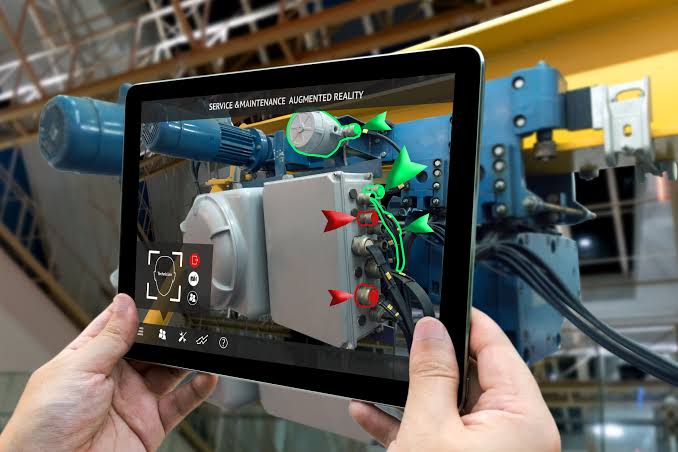
Artificial intelligence and machine learning have also become valuable tools for creating more meaningful audience engagement. Rather than presenting identical content to every visitor, intelligent applications can recognize patterns, recommend relevant information, and adjust digital experiences based on user interactions. These capabilities make presentations feel more natural while giving businesses useful insights into visitor interests and behavior. At the same time, cloud-based databases securely organize enormous amounts of information, making it easier to analyze participation, measure campaign performance, and improve future events. The result is a combination of creativity and technology that helps organizations make informed decisions while continuously enhancing the quality of every interactive experience.
Another advantage of modern cloud platforms is their ability to simplify collaboration between creative professionals, developers, and event organizers. Teams working from different locations can access shared resources, update applications, test new features, and monitor performance without being physically together. This flexibility becomes especially valuable when event schedules are tight and adjustments need to happen quickly. Automatic updates, dependable security measures, and built in backup systems further reduce operational risks while protecting important project data. Instead of treating technology as an obstacle, organizations gain a dependable foundation that supports innovation from initial planning through the final presentation.
Successful interactive events are built on much more than attractive graphics; they rely on dependable systems that keep every digital experience responsive from start to finish. Businesses partnering with a Texas augmented reality design agency for live events and trade shows often discover that cloud-based solutions provide the scalability, reliability, and intelligent capabilities needed to support ambitious ideas without unnecessary complexity. As expectations for immersive experiences continue to grow, flexible cloud technology gives organizations the confidence to deliver engaging presentations that captivate audiences, adapt to changing demands, and create memorable experiences that continue generating value long after the event has ended.